Sober Living Homes in Cleveland, Ohio: What They Are and How They Help Men Stay on Track
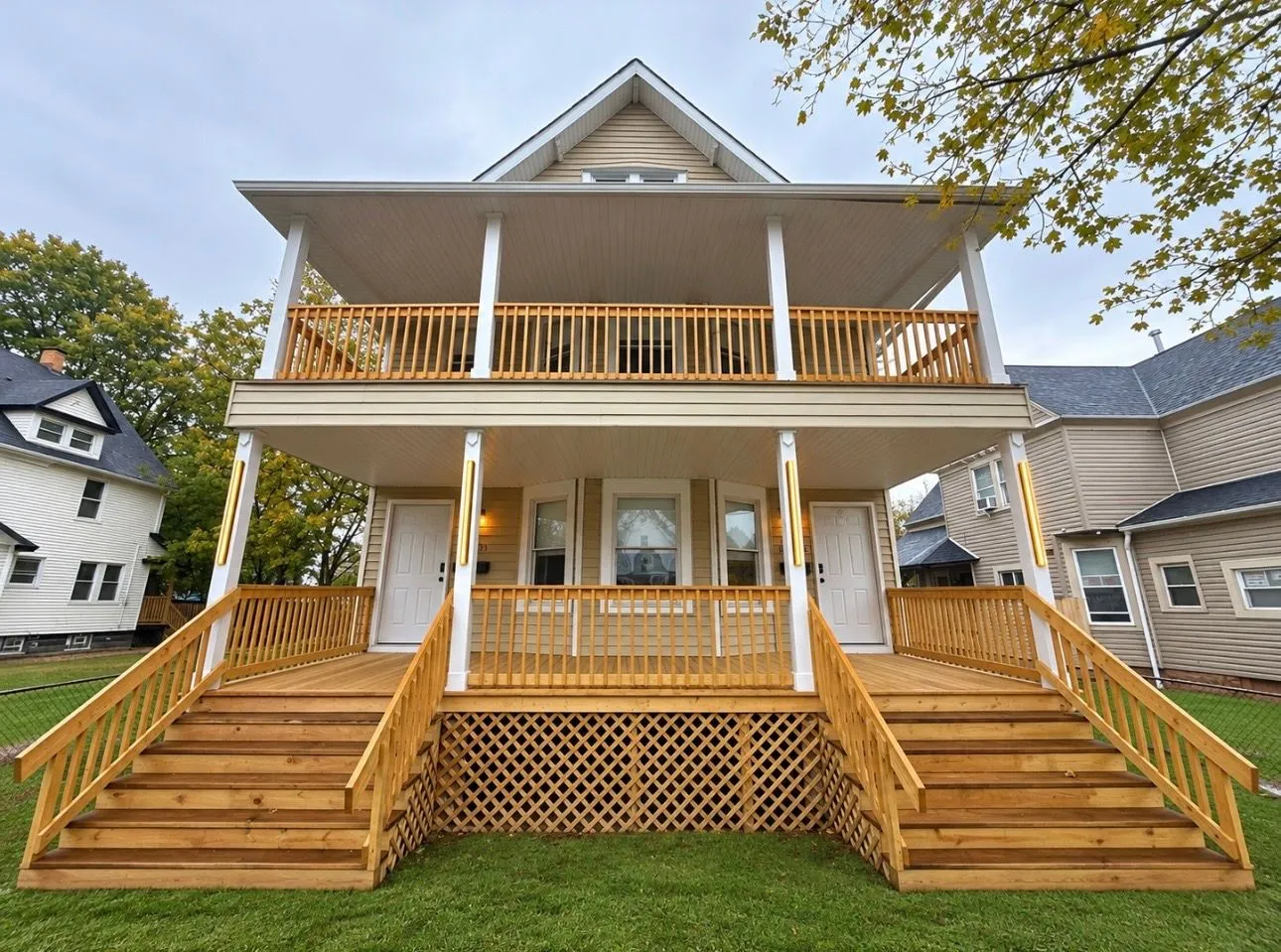
After treatment or detox, returning to everyday life can bring new responsibilities and challenges. A stable, substance-free place to live can offer structure and peer support as a person works toward greater independence. People searching for “sober living homes Cleveland Ohio” are often looking to understand what this kind of housing involves and what an ordinary day might look like.
A sober living home is recovery-focused housing, not a medical treatment program. Residents share a home, follow its community expectations and build routines that support their individual recovery. The details differ from one residence to another, so it helps to understand the general idea as well as the expectations of a particular home.
What sober living homes in Cleveland, Ohio offer
Sober living homes provide housing for people who want to maintain a substance-free lifestyle while rebuilding daily routines and responsibilities. Residents may be transitioning from a treatment program, returning to the community or seeking a more supportive living environment.
The home environment often combines practical expectations, such as respecting shared spaces and following house rules, with opportunities for peer connection and recovery meeting participation. A consistent routine can make it easier to focus on work, education, appointments and personal goals.
Sober living is not the same as detox, residential treatment or clinical addiction care. Ohio’s recovery housing overview describes recovery housing as a supportive living environment. Residents who need medical or clinical services should seek those from qualified providers; they may also continue treatment or other services while living in recovery housing.
What daily life can look like
There is no single schedule for every sober home. Residents manage their own daily responsibilities, while the house provides shared expectations and a substance-free setting. For some men, that blend of independence and accountability can help make day-to-day life feel more manageable.
| Part of the day or week | What it may involve |
|---|---|
| Morning and daytime | Getting ready for work, school, appointments or other personal responsibilities |
| Recovery activities | Attending recovery meetings, support groups or other recovery-focused activities |
| Shared home life | Keeping personal and common areas clean and treating housemates respectfully |
| Evening | Returning to the residence in line with its curfew and settling in for the night |
| Ongoing responsibilities | Communicating with house management and following the community’s written expectations |
A typical day may include plenty of time outside the residence. Residents might work, look for employment, attend appointments or take care of everyday tasks. At home, they share space with others and are expected to contribute to a respectful living environment.
Recovery meetings are another important part of the routine. Participation helps keep recovery goals visible and gives residents opportunities to connect with support beyond the household. Meeting expectations can vary, so it is useful to understand the home’s current policies.
House rules, curfews and accountability
Clear house rules help residents understand what is expected of them and how to contribute to a safe, supportive home. Rules may cover substance use, curfews, meetings, screening, visitors and shared responsibilities. Residents should review the complete rules and resident agreement with management.
At A Place For You Sober Living, the current house-rule summary describes a drug- and alcohol-free environment, recovery participation, screening policies, cleanliness expectations and respectful conduct. It lists curfews of 10:00 p.m. on weekdays and midnight on weekends. It also states that visitors and overnight guests are not permitted under current policies. Details can change, so prospective residents should confirm the current expectations directly.
Accountability is part of living in a shared home. That may mean following agreed-upon routines, communicating respectfully and taking responsibility for the condition of shared spaces. It is not about making every resident’s recovery look the same; it is about maintaining a home environment that supports everyone’s ability to focus on their next steps.
You can read the residence’s house rules and resident expectations for more detail.
Shared rooms, private rooms and a place to settle in
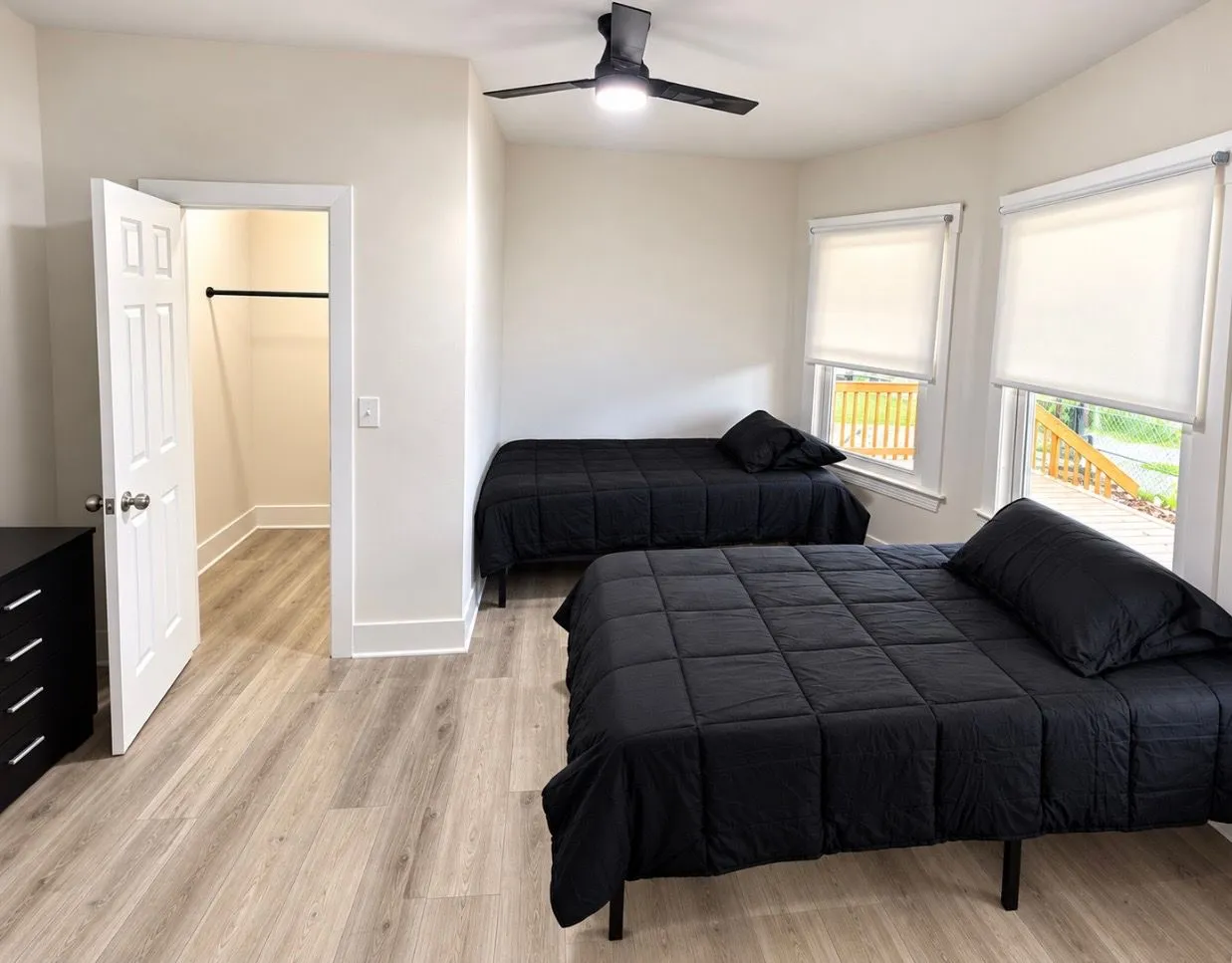
Bedrooms are part of the everyday experience of sober living. Some homes offer shared rooms, while others may have private rooms available. A shared room can give residents the chance to get comfortable living alongside others; a private room offers more personal space when available. Room options and availability vary by residence.
A Place For You Sober Living is a newly established men’s residence in West Cleveland. The home has been extensively renovated, and furnished shared bedrooms and a limited number of private bedrooms are available subject to availability. Weekly rates are offered with utilities included; ask the residence directly for current weekly rates and availability.
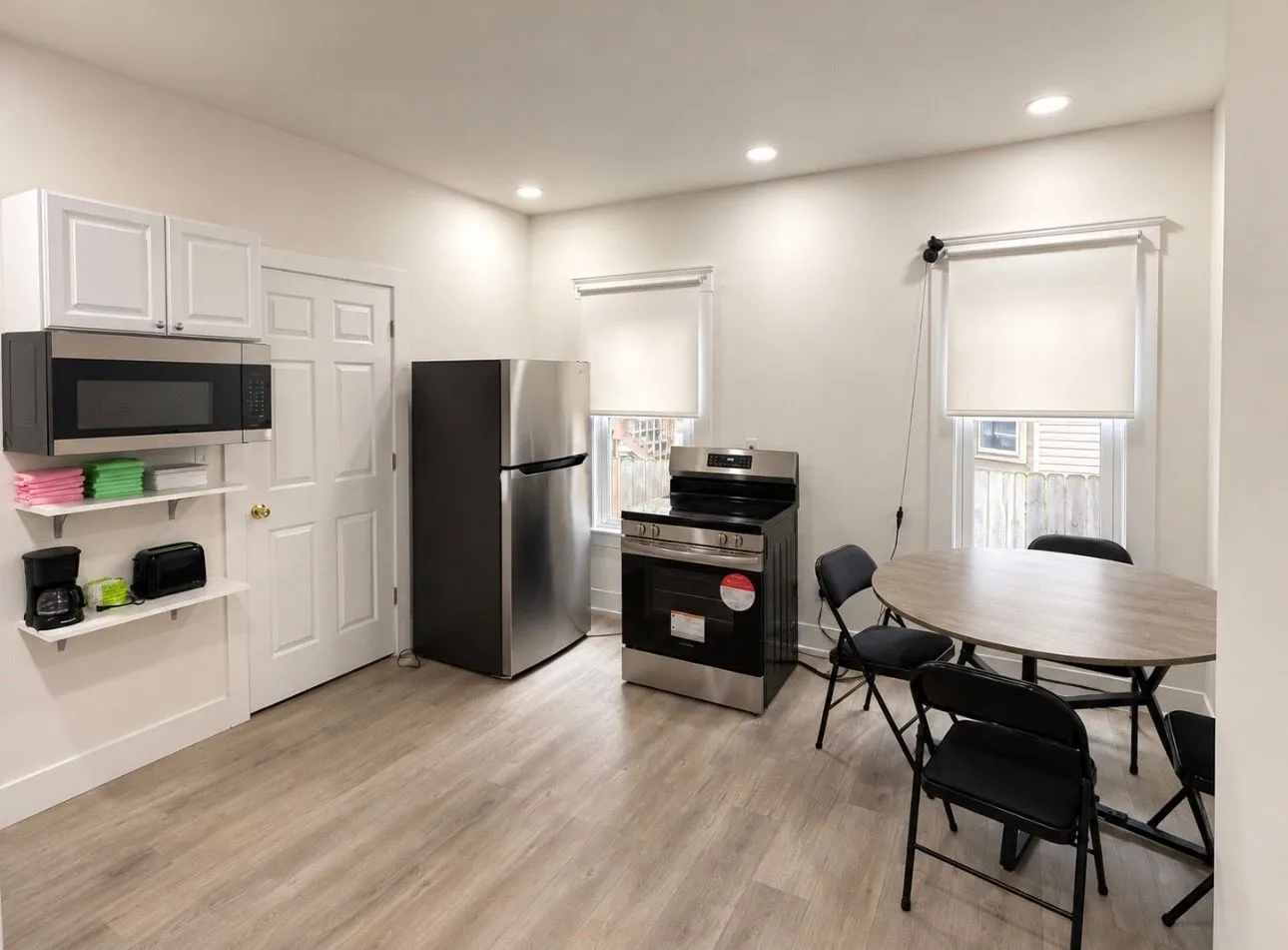
The home’s purpose is not only to provide a bed. A clean, comfortable place can give residents a steadier base from which to manage responsibilities and work toward greater independence. Shared living also calls for patience, consideration and respect for other people’s space.
How house management and peer support fit in
Management support and property oversight can help keep a residence organized and its expectations clear. Residents may have someone to contact with questions about house policies, the property or day-to-day concerns. In a recovery-focused home, peers can also offer the ordinary support of people sharing a community and working on their own goals.
That support is not a substitute for clinical care. Sober living homes do not provide detoxification, medical treatment or clinical addiction services simply by offering housing. If someone needs treatment, medication-related care or other clinical help, they should contact an appropriate provider. Housing and clinical services can play different, complementary roles.
A Place For You Sober Living in West Cleveland
A Place For You Sober Living welcomes adult men who are committed to sobriety and willing to follow community guidelines. The newly established home serves men in Cleveland, Cuyahoga County and surrounding Northeast Ohio communities, including people moving forward from treatment or seeking stable housing while continuing recovery.
The residence offers furnished shared and private bedrooms, subject to availability; affordable weekly rates with utilities included; house rules and curfews; an emphasis on recovery meeting participation; and house management support with regular property oversight. Its aim is a respectful community where residents can practice accountability and independence.
For families, case managers and referral partners, the home welcomes inquiries about fit and availability. Learn more about the residence or visit the referral information page.
If you searched for “sober living homes Cleveland Ohio,” A Place For You Sober Living can answer questions about its West Cleveland home, current room availability and weekly rates. Call (216) 477-0718 to learn more.
A Place For You Sober Living, If you need a safe place to live, then we have a place for you.