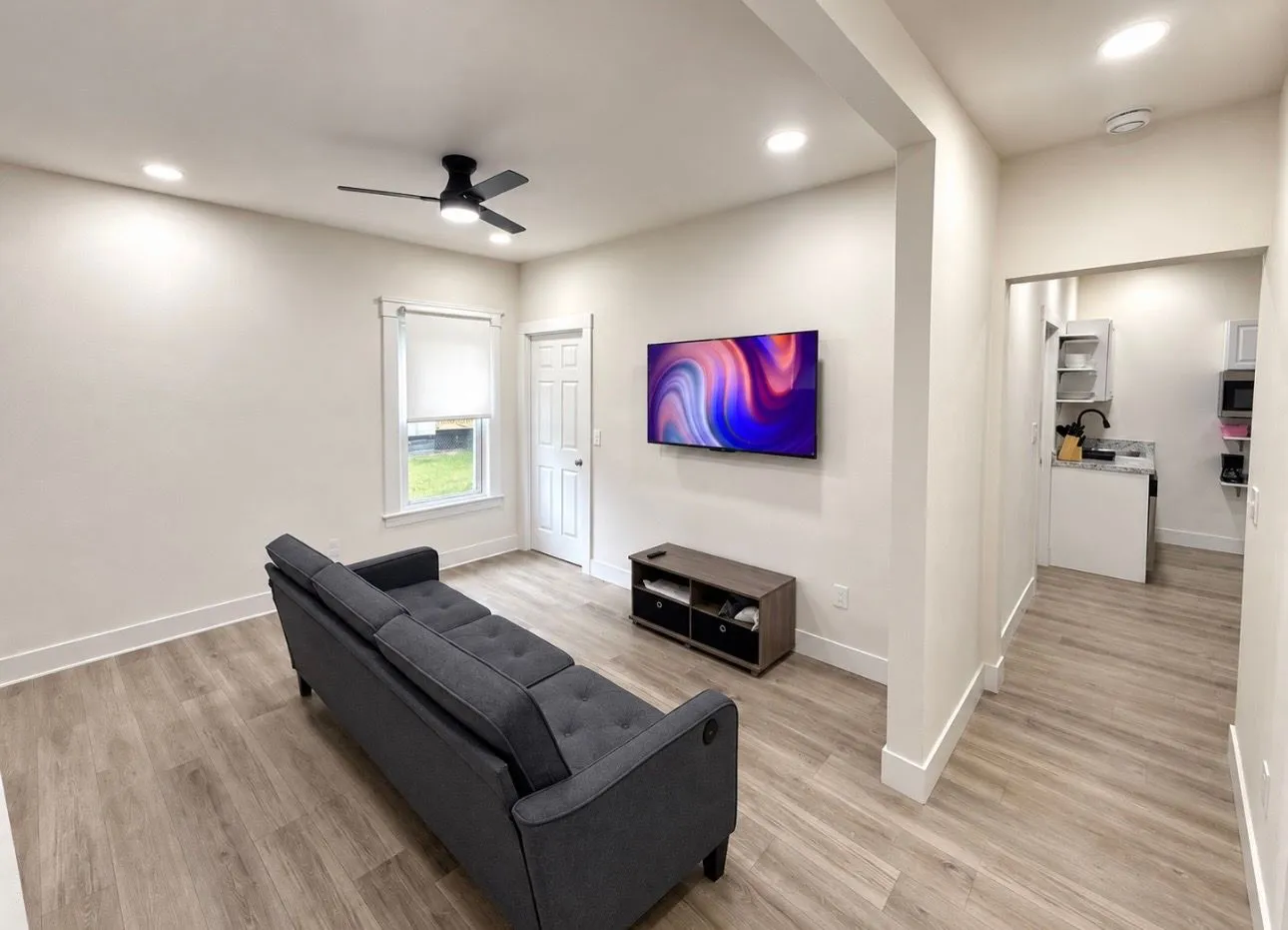
Sober Living House Rules: What to Expect in a Structured Recovery Home
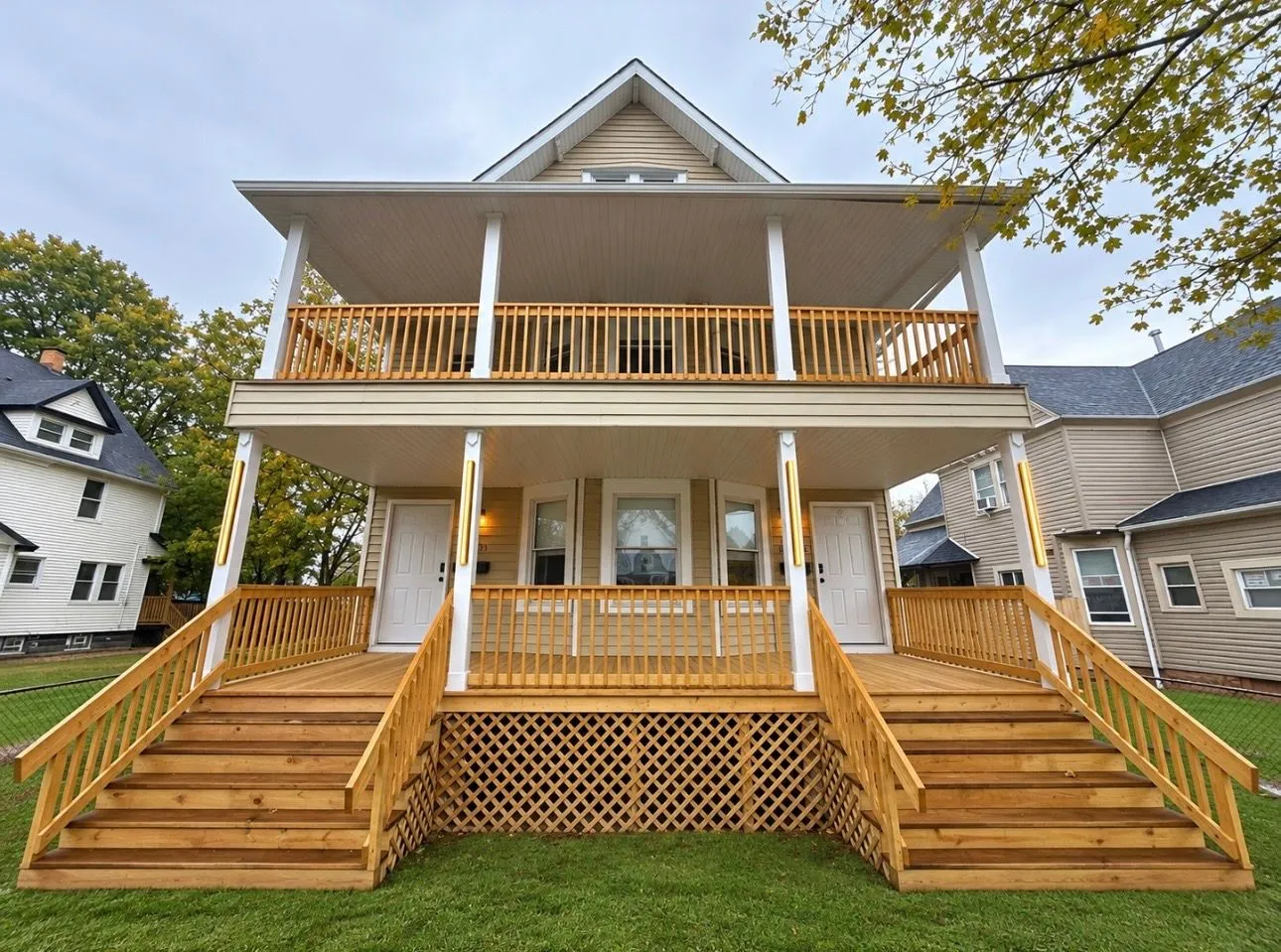
Moving into a sober living home often means adjusting to a new routine and shared expectations. Sober living house rules are there to help residents understand how the home works, what’s expected of them, and how everyone can contribute to a safe, substance-free environment.
Rules differ from one residence to another. Some are about safety, such as staying sober; others help make shared living manageable, such as keeping common spaces clean. Before choosing a home, read its written rules and ask how they’re applied. A clear explanation can help you decide whether the structure fits your needs.
Common house rules in sober living
A home’s rules should be explained before move-in, ideally in writing. They may cover the following:
| Common expectation | Why it may be in place |
|---|---|
| No alcohol or non-prescribed drugs | Supports a substance-free home and helps residents protect their recovery environment. |
| Curfew and communication about late returns | Helps residents maintain routine and lets house management know everyone is safe. |
| Chores and clean shared areas | Keeps the home comfortable and makes responsibility part of daily life. |
| Recovery meeting participation | Encourages residents to stay connected to recovery support. |
| Respectful conduct | Helps residents share space without threats, harassment, or unnecessary conflict. |
| Visitor guidelines | Protects residents’ privacy, safety, and ability to focus on recovery. |
| Work, school, or other planned activities | Can help residents build structure and work toward greater independence. |
These are common examples, not a universal rulebook. For instance, some homes hold regular house meetings; others may not. Some may have a process for overnight passes, while others may not allow them. Ask the residence what applies before making plans.
Curfew in sober living
A curfew can give the day a predictable rhythm and help residents coordinate around shared responsibilities. A residence may also ask residents to communicate if work, appointments, or recovery activities affect their return time. The important details are the curfew hours, how to report a delay, and how the home handles a request for an exception.
At A Place For You Sober Living, the published house rules list a 10 p.m. weekday curfew and a midnight weekend curfew. Confirm current requirements and any details about exceptions directly with house management.
Sobriety and recovery participation
Substance-free housing depends on clear expectations about alcohol and drug use. Rules may also describe screening procedures and what residents should do if they have concerns about their own safety or another resident’s well-being. Ask how the policy works, including how prescribed medications are handled. Don’t assume every home has the same procedures.
Recovery meeting participation is another common expectation. A home may encourage or expect residents to attend meetings or take part in other recovery-focused activities. The specific options and any documentation requirements should be explained by the residence.
A Place For You describes its environment as substance-free and says residents are expected to participate in appropriate recovery meetings, support groups, or other recovery-focused activities. Its posted rules also refer to drug and alcohol screening when required.
Chores, guests, and respect for housemates
In shared housing, everyday tasks matter. Residents may be asked to keep bedrooms and common areas clean, take care of assigned chores, and treat housemates and neighbors with respect. These expectations help make the home more comfortable for everyone.
Visitor policies vary. Some homes require visitors to be approved in advance, restrict visits to shared areas, or set visiting hours. Others may not permit visitors. A Place For You’s current posted rules say visitors and overnight guests are not permitted. If you’re considering the residence, ask management about the current policy and clarify the difference between an overnight guest and a resident requesting an overnight pass.
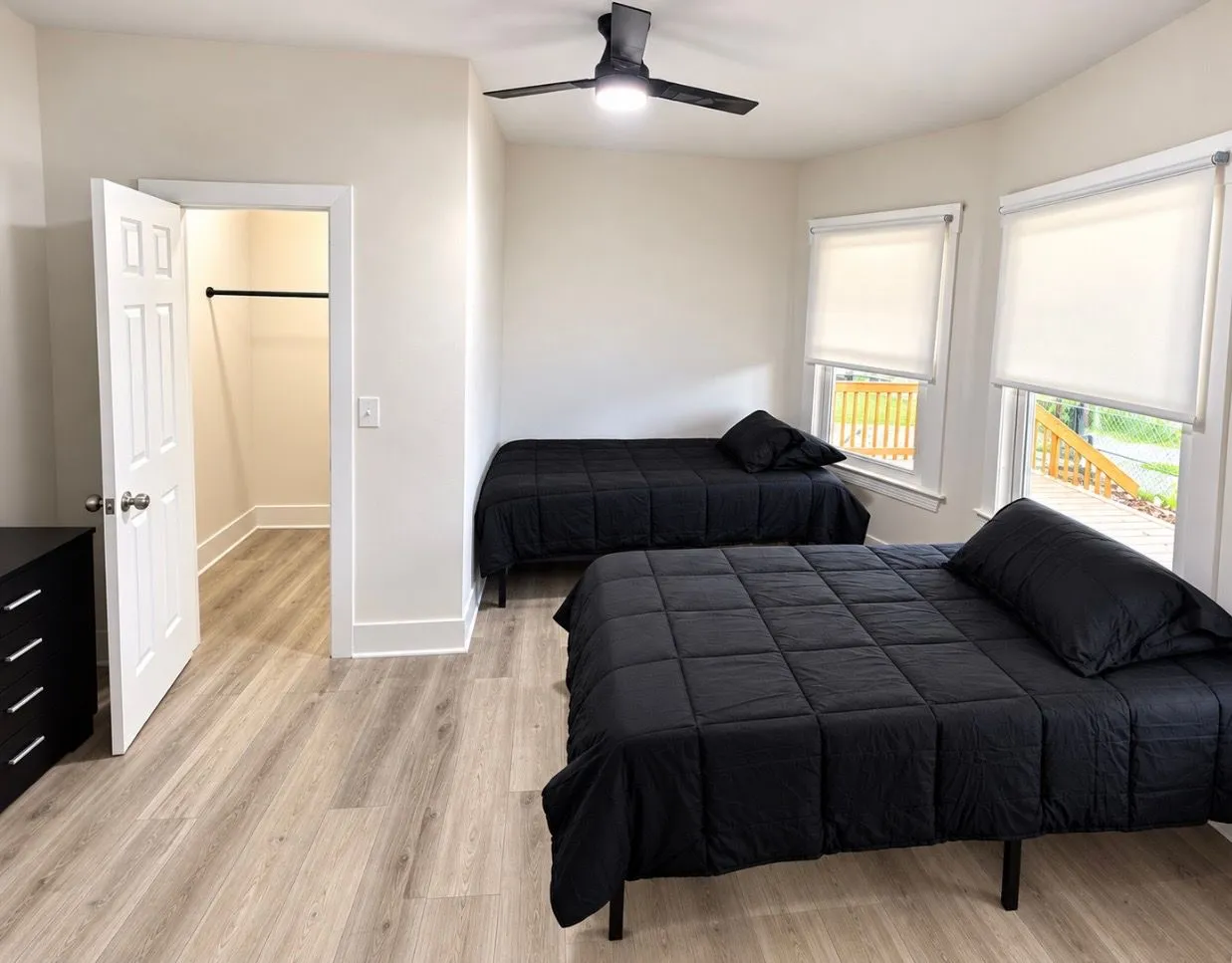
Why structure can help build accountability
Early recovery can involve rebuilding routines around sleep, work, appointments, responsibilities, and support. A structured home provides shared expectations that residents can plan around. Curfews, chores, meetings, and regular communication can offer practical ways to practice consistency and consideration for others.
Structure isn’t the same as clinical treatment. A sober living home provides housing and peer support; it does not replace medical care, detox, or clinical addiction services. If you need medical or mental health care, ask a qualified provider about appropriate services alongside housing.
The best rules are understandable and connected to the day-to-day needs of the home. Residents should know what is expected, who to speak with when a situation changes, and where to find the full policy. This kind of transparency supports sober living accountability without making residents guess what will happen.
Guidance from SAMHSA’s Best Practices for Recovery Housing emphasizes clear expectations and policies for residents. Before moving in, ask for a copy of the written rules and take time to discuss anything that is unclear.
Clear rules versus vague or punitive rules
Reasonable rules explain the expectation, its purpose, and how residents can raise a concern. For example, a curfew policy should make the hours clear and say whom to contact if work or an appointment causes a delay. A visitor policy should explain what is and isn’t allowed. These details help residents make informed choices.
By contrast, vague instructions, such as “be responsible” without defining what that means, can lead to confusion. Rules that seem to change without explanation may also make it hard to know where you stand. Ask how expectations are communicated, whether they apply consistently, and how to discuss a concern respectfully.
When rules are broken, the response should follow the home’s written expectations. Depending on the situation and the residence’s policies, a manager may speak with the resident, review what happened, clarify the rule, or discuss next steps. Don’t assume every home uses the same process or that consequences follow a particular sequence. Ask in advance how concerns are handled, including what happens after a missed curfew or suspected substance use.
What to ask before you move in
Use these questions to understand the house rules in sober living and decide whether the home’s expectations are a fit:
- Can I read the full resident agreement and house rules before moving in?
- What are the curfew hours, and how should I communicate a late return?
- What does the substance-use and screening policy say?
- What recovery activities are expected, and how is participation handled?
- How are chores and shared spaces managed?
- Are visitors allowed? What about overnight guests or resident overnight passes?
- Are there expectations around employment, school, appointments, or daytime activities?
- Who should I contact with a question or concern about a rule?
- How are rule violations addressed?
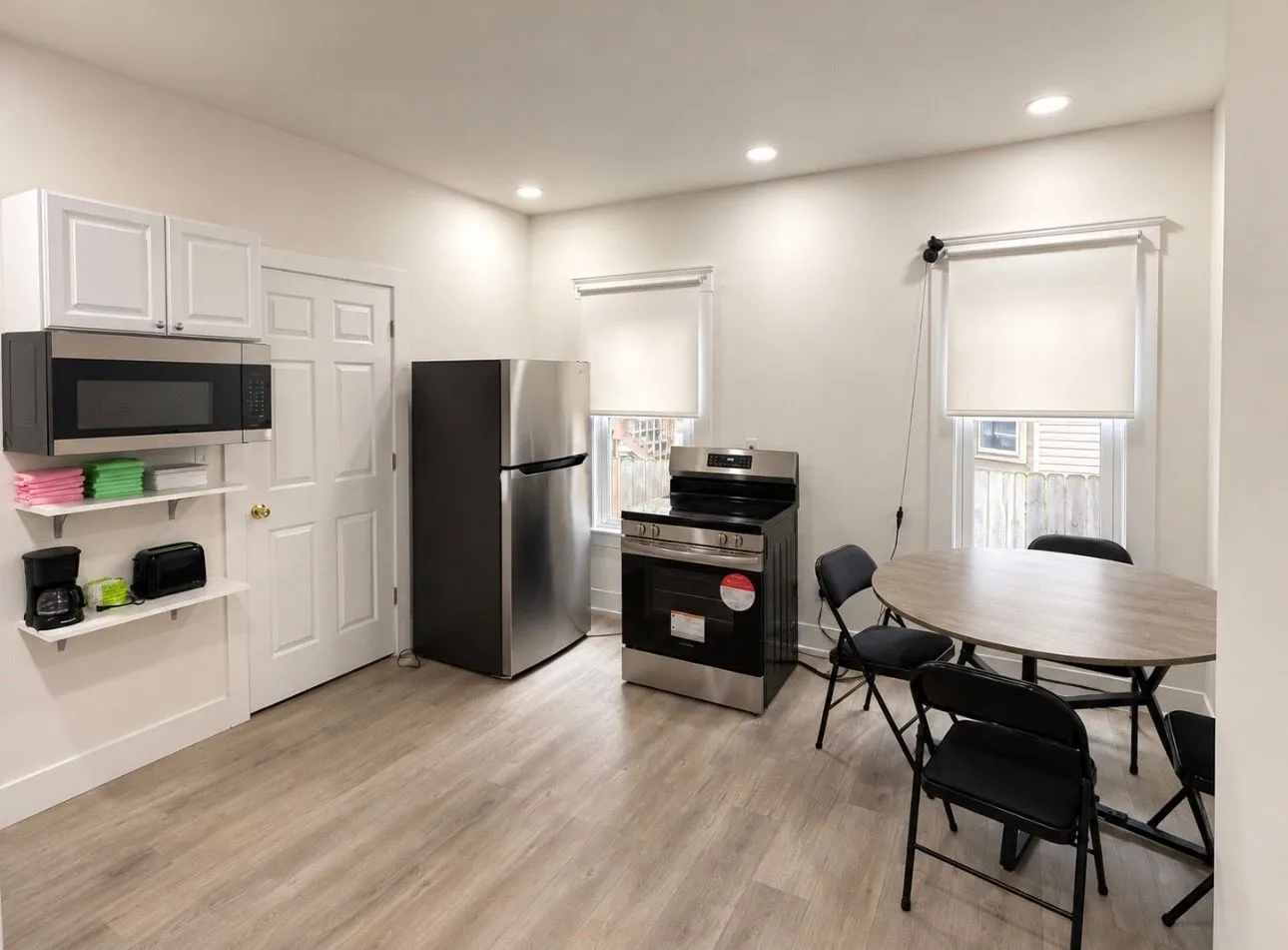
At A Place For You Sober Living, the residence is a renovated men’s home on Cleveland’s west side, with furnished shared and private bedrooms subject to availability, affordable weekly rates, utilities included, and house management support. The focus is on recovery-oriented housing and a respectful, substance-free community, not medical treatment or detox.
Find a home where expectations are clear
Understanding sober living rules and expectations before move-in can make the transition into a structured home feel more manageable. Look for written policies, ask questions about details that affect your daily life, and make sure you understand how the residence handles concerns.
A Place For You Sober Living welcomes inquiries from adult men, families, case managers, and referral partners in Cleveland, Cuyahoga County, and Northeast Ohio. To ask about current availability or house expectations, call (216) 477-0718 or visit the contact page. If you need a safe place to live, then we have a place for you.